
Upgrade your workspace with an ergonomic office chair designed to support your posture during long hours at the desk.
An ergonomic office chair provides adjustable height, lumbar support, and armrests to keep your body properly aligned throughout the day. When shopping, look for breathable mesh backs, customizable tilt mechanisms, and seat depth adjustment. These features reduce fatigue and help you maintain a comfortable, productive posture during long work hours.
Read The Full Guide
Understanding Posture Support
Good posture starts with a seat that matches your height and desk level. Look for dynamic lumbar support that moves with your natural spine curve. Proper alignment prevents muscle strain during marathon work sessions.
Evaluating Adjustability Features
Every body is unique so your seat should adapt to your specific measurements. Check for adjustable armrests and seat pans to ensure a custom fit. Flexible tilt controls let you shift positions easily throughout the day.
Choosing Breathable Materials
Fabric choice affects temperature regulation and daily comfort during heavy use. Mesh backs promote airflow to keep you cool while padded cushions offer plush pressure relief. Select durable textiles that withstand daily wear.
Checking Mobility And Base
Smooth movement across your floor protects your workspace surfaces and improves access. Ensure the wheel caster type matches your flooring material, whether carpet or hardwood. A sturdy five point base ensures stability when reclining.
Quick Buying Checklist
- Measure your desk height and floor space before buying furniture.
- Test all adjustment levers to ensure smooth mechanical operation.
- Confirm the upholstery fabric matches your room temperature needs.
Top Picks To Compare
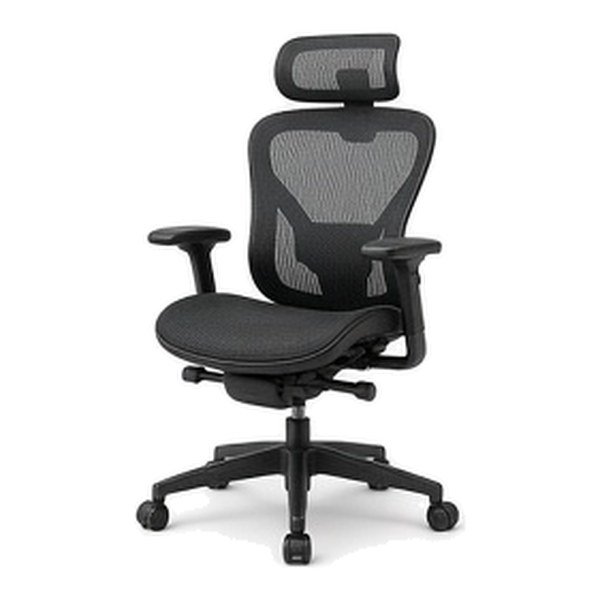
Ergonomic Office Chairs
Look for adjustable lumbar support and seat depth to match your body proportions.
COMPARE OPTIONS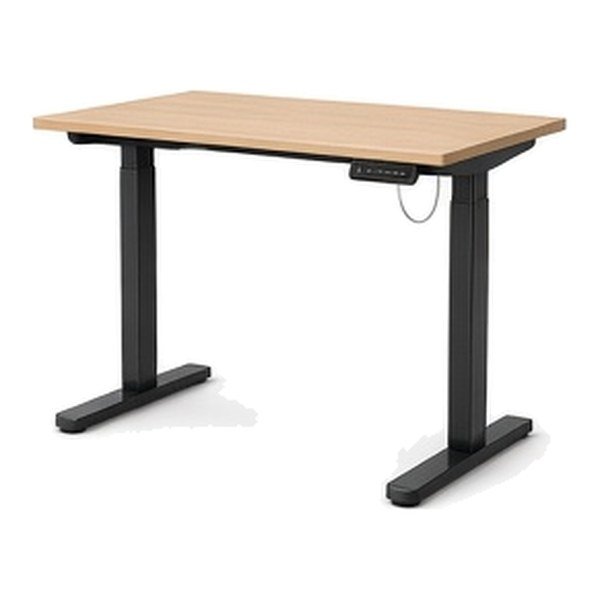
Electric Standing Desks
Check motor speed and height range to accommodate sitting and standing postures comfortably.
COMPARE OPTIONS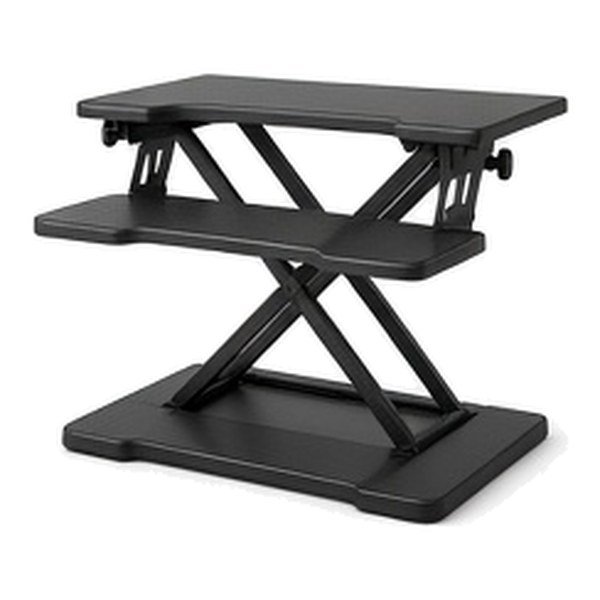
Standing Desk Converters
Verify surface workspace area and weight capacity for your dual monitor setup.
COMPARE OPTIONS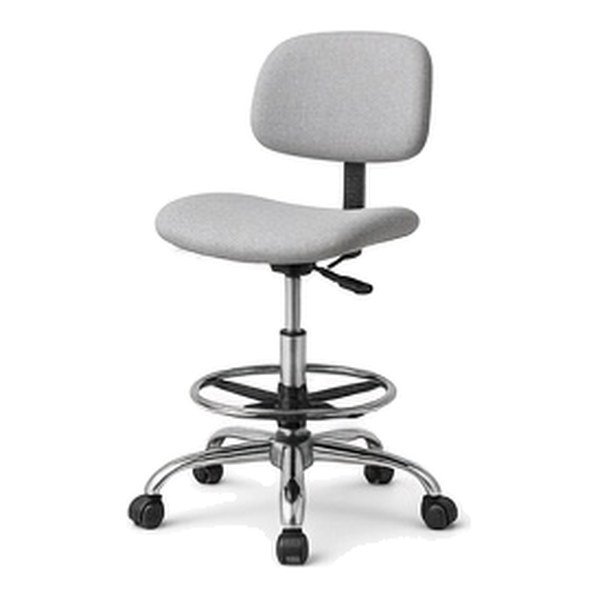
Drafting Chairs
Ensure the foot ring height adjusts smoothly to support your legs at elevated work surfaces.
COMPARE OPTIONS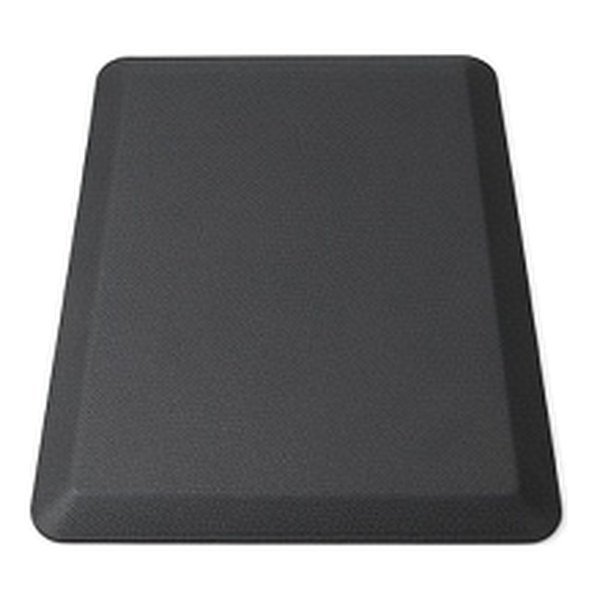
Anti Fatigue Mats
Measure thickness and cushioning density to ensure proper foot relief during standing tasks.
COMPARE OPTIONS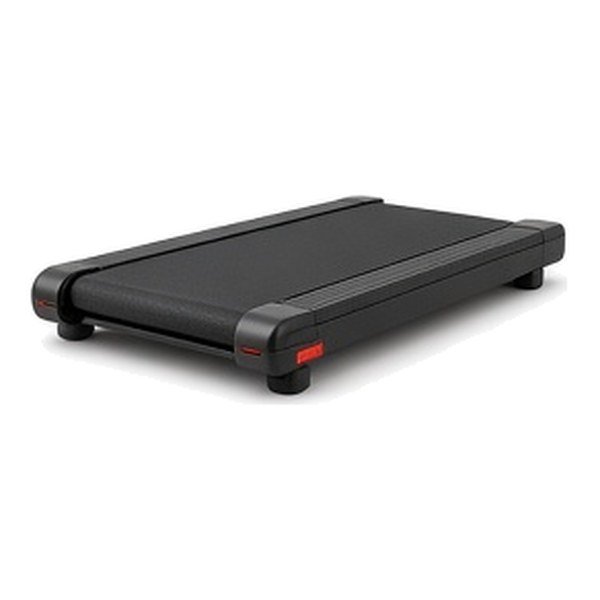
Walking Pads
Check running deck dimensions and maximum speed limits for safe productivity integration.
COMPARE OPTIONS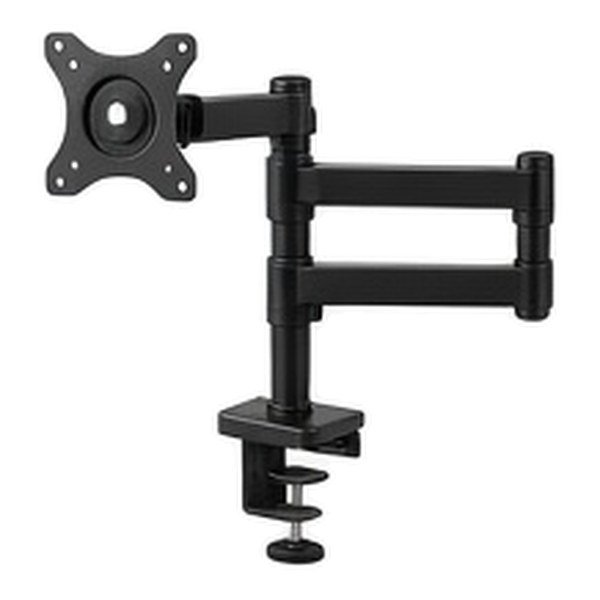
Monitor Arms
Verify weight limits and VESA mounting compatibility for your specific display screens.
COMPARE OPTIONS
Cable Management Trays
Ensure the tray offers enough capacity to hold power strips and excess cord lengths.
COMPARE OPTIONS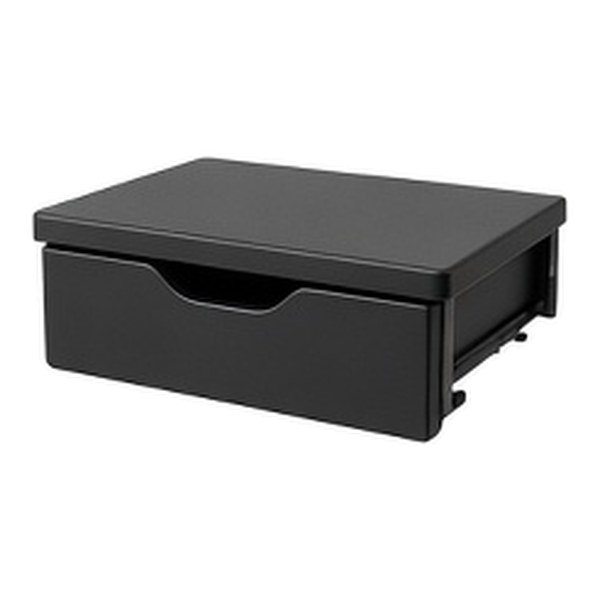
Under Desk Drawers
Measure knee clearance space below your tabletop before installing sliding storage units.
COMPARE OPTIONS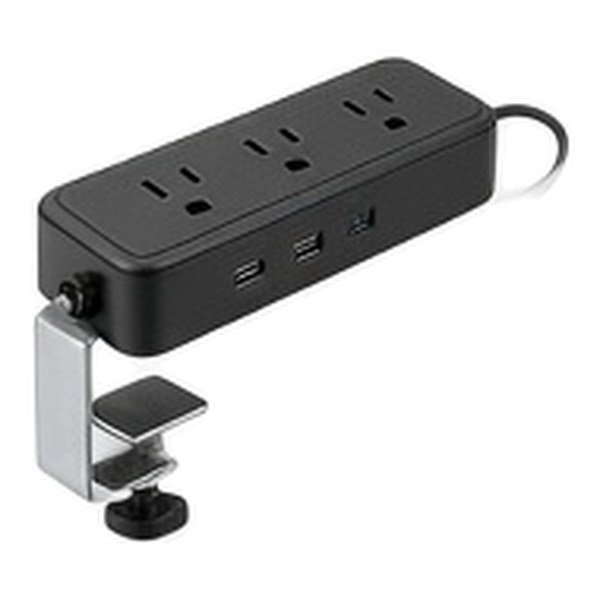
Power Strip Mounts
Check outlet count and USB charging port accessibility for your daily device connections.
COMPARE OPTIONSQuestions Shoppers Ask
What Is The Most Comfortable Ergonomic Office Chair?
The most comfortable option features multi directional armrests, synchronized tilt mechanisms, and a contoured mesh back that adapts to your spine. Personal preference for cushioning firmness also plays a major role in daily comfort.
How Do I Choose An Ergonomic Office Chair For All Day Sitting?
Look for high density foam cushions, breathable mesh materials, and robust lumbar support systems. These elements distribute your weight evenly and prevent stiffness during extended work hours.
Can An Ergonomic Office Chair Help With Neck And Shoulder Pain?
An adjustable headrest and proper armrest height help relieve tension in your upper body. When your arms and head are fully supported, your shoulders remain relaxed.
How Do I Find An Ergonomic Office Chair For Short People?
Prioritize models with a low minimum seat height and adjustable seat depth. Your feet should rest flat on the floor with your knees at a ninety degree angle.