
An office chair mat sits under your rolling chair so the floor stays unmarked and the chair still rolls in a straight, easy path. The right mat depends on the floor you have, the size of the desk, and whether you need a lip that tucks under the front edge.
Read The Full Guide
Match the backing to the floor: studs or a firm grip for carpet, a smooth non-scuff back for hardwood, vinyl plank, or tile. Then choose a material you are happy to look at every day, from clear polycarbonate to glass, bamboo, rubber, or vinyl, and a shape that covers the full roll zone, including a lip if the chair tucks under the desk.
Start With The Floor, Not The Color
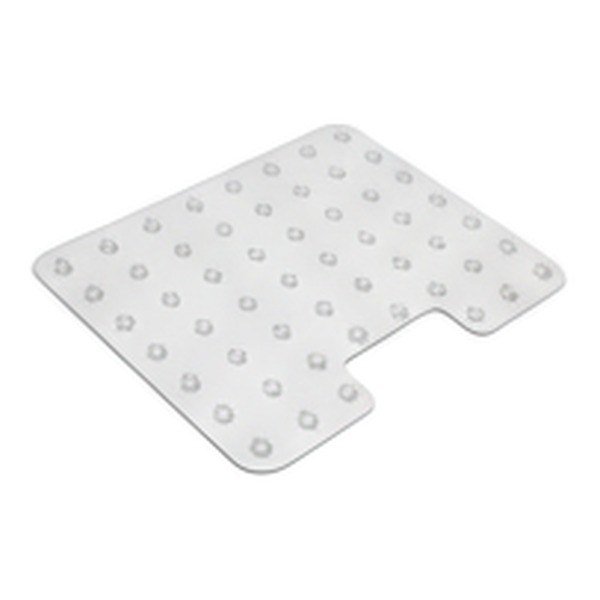
Carpet and hard floors need different backs. On carpet, a studded or textured underside bites into the pile so the mat does not skate when you push off. Deep pile usually needs longer studs and a stiffer sheet; low pile can often use a lighter studded mat. On hardwood, vinyl plank, tile, or laminate, skip the spikes and use a smooth, non-scuff back that will not trap moisture against the finish. Measure the area your chair actually rolls, not just the desk width, and add a little room so the casters never drop off an edge mid-roll. A mat that is too small feels worse than one with a modest extra margin at the back of the chair.
Clear Plastic, Polycarbonate, And Vinyl
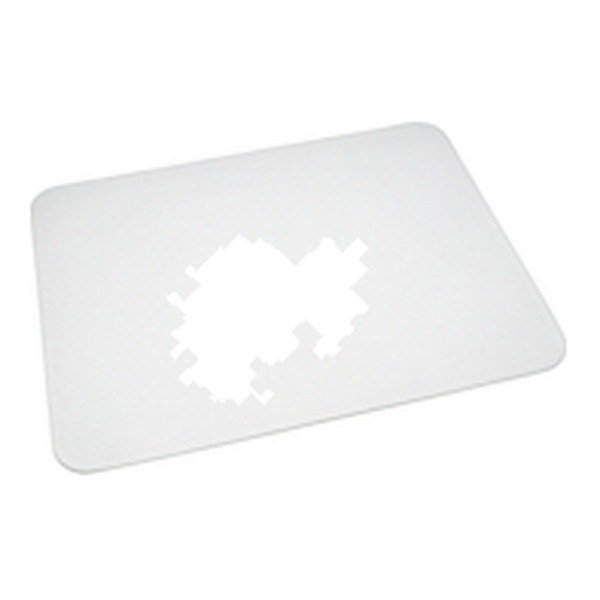
Clear polycarbonate is a popular hard-floor and low-pile choice because it lets the floor show through and resists cracking better than thin vinyl in cold rooms. Vinyl mats can be more flexible and often cost less, but thinner sheets may curl or develop caster tracks sooner. Look at the edge: a beveled edge helps the chair roll on and off without a bump, and it is easier on toes. Thickness should match the job, not a guess; a floppy sheet on high pile will wrinkle under the casters. If you want the floor visible, inspect the sheet for optical distortion and for a finish that will not haze after a few months of rolling.
Glass, Bamboo, Rubber, And Felt Backs
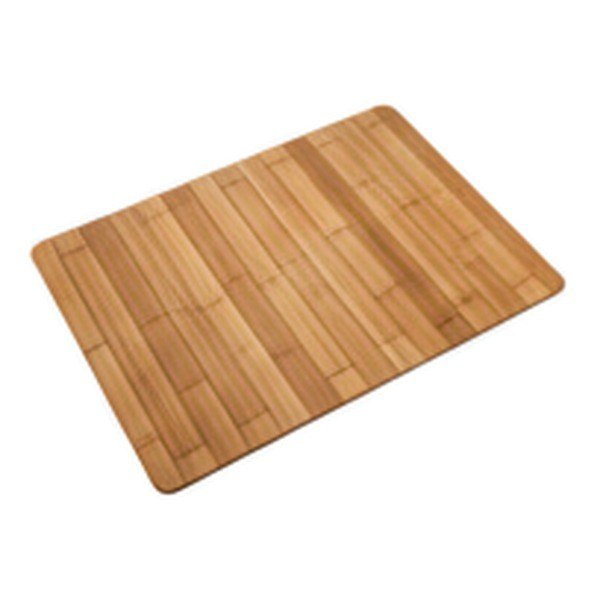
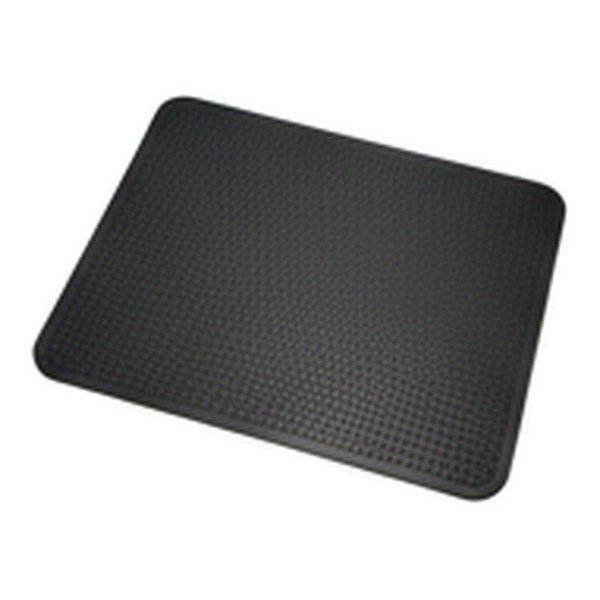
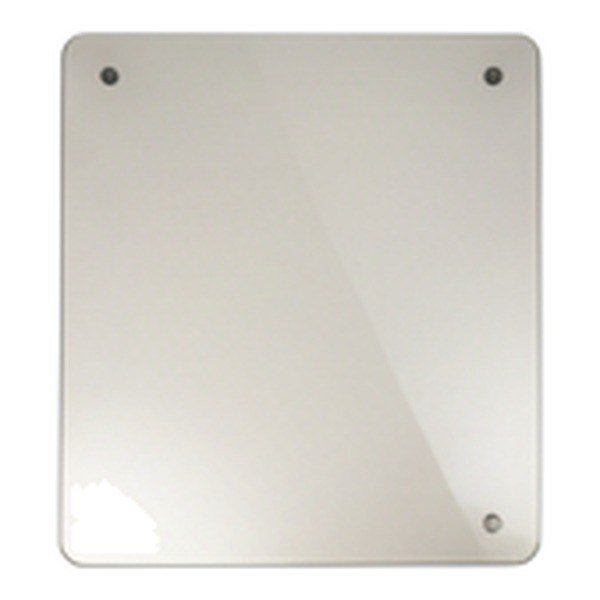
Tempered glass mats give a firm, very smooth roll and a clean look on hard floors; they are heavy, so measure the doorway and the exact rectangle before you order, and keep them on a level, well-supported floor. Bamboo slat mats add a warmer look and work as a hard-floor protector when the slats sit flat and the edges are bound. Rubber mats grip well and hide scuffs, though they can have a stronger texture under the casters. Felt-backed mats are meant to sit kindly on hard floors and should be checked so the felt will not hold grit that could scratch a finish. Each of these materials can work; the floor type and the look of the room should decide, not a single “best” label.
Lips, Circles, And Extended Lengths
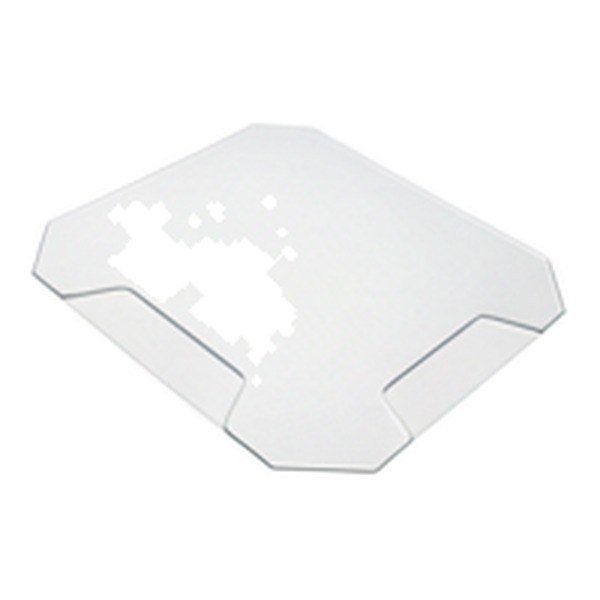
A lip is a tongue of mat that slides under the desk so the casters still sit on the mat when the chair is pulled in. It is useful if your desk has a wide front rail or if you roll forward a lot while you type. Make sure the front tongue still leaves drawers and a sliding keyboard board free to open. Circular mats suit a compact corner or a chair that pivots in place more than it travels. Extended-length mats cover a long roll path, for example when a desk is deep or you use a converter that changes your stance. Beveled edges matter on all of these shapes because a square, blunt edge is where chairs catch and mats start to lift.
How To Measure And Place The Mat
Sit in your usual posture, roll to the farthest points you actually reach, and mark that rectangle on the floor. Add the lip depth if your chair tucks under the desk, and add a margin behind the chair so you do not roll off when you lean back. Place the mat so the beveled edge faces the direction you enter from, and leave a clear path so you are not stepping up onto a lifted corner. On carpet, press the studs down evenly and walk the edges so they sit flat before the first workday. On hard floors, sweep first so grit is not trapped under a smooth back. If a corner lifts after a few days, the mat may be too thin for that floor, or it may need a day to relax after being packed.
Casters, Curling, And Daily Care
Soft or wide casters are kinder to both the mat and the floor; hard, narrow casters wear tracks into thin vinyl and can crack a cheap sheet. If your chair still feels sticky, the mat may be too small, too thin for the pile, or dirty. Wipe a hard mat with a damp cloth and a mild cleaner, and vacuum grit out of textured or studded backs so the mat does not grind debris into the floor. Avoid soaking a felt back. Curling edges are a sign to replace a tired mat or to switch to a stiffer material, because a lifted edge is a trip point and a place casters catch. A mat that lies flat after the first week is usually the one to keep.
What To Check Before You Buy
Confirm the floor type, the pile height if you have carpet, and the exact width and length you measured, including any lip. Check the edge style, the backing, and the stated use (carpet versus hard floor) rather than buying on looks alone. Glass and thick polycarbonate should come with honest dimensions and handling notes; bamboo should sit flat with bound edges. Read the return window, because a mat that will not lie flat in your room is difficult to judge from a photo. If several people share the chair, size for the largest roll pattern, not the smallest desk footprint.
Quick Buying Checklist
- Measure the full roll area, including space behind the chair and any lip under the desk.
- Use spikes or a gripping underside on carpet, and a smooth scuff-free underside on wood, vinyl, or tile.
- Choose a material and thickness that will stay flat, with a beveled edge if you roll on and off.
- If you want a front tongue under the desk, confirm it will not jam the drawers or a keyboard board.
- Inspect casters and plan a simple cleaning routine so grit does not sit under the mat.
Top Picks To Compare

Questions Shoppers Ask
What Size Office Chair Mat Do I Need?
Measure the rectangle your chair actually rolls, then add a margin behind the chair and a lip if you tuck under the desk. It is better to go slightly larger than to drop a caster off the edge every time you lean back.
What Is The Best Office Chair Mat For High Pile Carpet?
Use a studded mat with spikes long enough to reach into the pile, and a stiff enough sheet that it will not wrinkle under the casters. A thin, smooth-backed mat will usually shift or buckle on deep carpet.
Which Office Chair Mat Is Safer For Hardwood?
On wood, pick a mat sold for hard floors with an underside that will not scuff or hold damp against the boards. Leave the spiked carpet style in the box. Glass, polycarbonate, and some vinyl or felt designs can all work when they are clearly rated for a solid floor, and the floor should be clean before the mat goes down.
What Office Chair Mat Works On Vinyl Plank?
Pick a smooth-backed mat that is rated for hard floors and will not discolor or scratch the plank. It should lie flat and stay put without sticky residues. Wipe the floor before you lay it down so grit is not trapped underneath.
Do I Need A Chair Mat With A Lip?
You need a lip if the chair rolls under the desk far enough that the casters would otherwise sit on the bare floor or catch on the desk rail. Skip it in a very compact setup where a lip would block a drawer, and use a rectangular or circular mat that still covers the roll zone.
Is A Glass Or Bamboo Chair Mat Practical?
Tempered glass is practical on a level hard floor if you can move the weight safely and like a very firm roll. Bamboo is practical when you want a warmer look and the slats stay flat. Both are a poor match for deep carpet, where a studded plastic mat will grip better.